How to Use a Time-Out as an Act of Care
Part 2 of a Two-Part Series on Time-Outs in Relationships In my previous post, we explored how John Gottman describes […]
Read complete blog >>
Have you ever noticed how two people can live through the exact same event, yet come out of it completely differently?
One person faces a difficult situation and falls apart. They feel helpless, angry, and defeated. Another person faces the same storm and somehow manages to stay standing. They might be bruised, but they are not broken. They find a way to adapt, to survive, and even to help others along the way.
What is the difference? Is it luck, money, or strength?
Psychologists believe the answer lies in something called your locus of control. It sounds complex, but it is a simple idea: it is the place where you believe the power to change your life is located. And understanding it can be the difference between feeling like a victim of the world and feeling like the leader of your own life.
Imagine you are standing at the edge of the ocean. You see a massive wave coming toward the shore.
One person looks at the wave and thinks, "I am at the mercy of the sea. There is nothing I can do." They stand frozen, waiting to be knocked over. This is an external locus of control: the belief that your life is shaped entirely by outside forces. Your happiness depends on your boss, your government, or plain luck. Every headline changes your mood. You feel powerless, constantly waiting for the world to change so you can finally feel okay.
Another person looks at the same wave and thinks, "I cannot stop it. But I can position myself. I can even learn to ride it." This is an internal locus of control: the belief that while you cannot control the traffic, you do control the steering wheel. When something goes wrong, you ask: "What can I learn? What can I do differently?" You are not ignoring reality. You are refusing to be a victim of it.
If you live in a region that has seen conflict and uncertainty, it is easy to develop an external locus of control. History has shown you that big events can change everything in an instant. It is natural to feel small.
But here is the danger: if you believe you have no power, you will stop using your power. You might stop making plans. Taking care of your health may begin to slip. You might give up on your dreams. You become a ghost, waiting for the world to destroy you.
The truth is, you cannot control the big waves. But you can control your small boat. And a small boat, steered well, can survive a very big storm.
The good news is that your locus of control is not fixed. It is a habit of thinking, and like any habit, you can change it with practice.
Draw Your Circle. Take a piece of paper. In the center, write the things you can control today: your attitude, your words, how you treat your family, and whether you rest or exercise. Outside the circle, write the things you cannot control: the decisions of leaders, the price of goods, the opinions of strangers. Whenever you feel anxious, ask yourself: "Am I focused inside my circle or outside it?" Gently bring your attention back to the center.
Change Your Questions. When something goes wrong, most people ask, "Why me?" That is a victim's question, it keeps you stuck. Instead, ask: "What can I learn from this?" or "What is one small step I can take right now?" These questions remind you that you are an active participant in your life, not a bystander.
Master the Small Things. When the big world feels chaotic, take control of the small world. Make your bed. Cook a meal with care. Water a plant. Go for a walk. These small acts remind your brain that you are not helpless. You have the power to create order and beauty.
Protect Your Mind. You would not leave your front door open for strangers to walk in and steal your furniture. So why leave your mind open for the news to steal your peace? You need to stay informed, but you do not need to drown in it. Limit your news intake. Spend time with people who lift you up. Guard your mind like the treasure it is.
You cannot always choose what happens to you. But you can always choose who you become because of it.
The waves will keep coming. That is the nature of the ocean. But you do not have to be swept away. You can learn to float, to swim, and even to ride the waves.
It starts with one simple belief: I may not control the wind, but I can adjust my sails.

Articles on www.hoopfull.com may feature advice and are for informational purposes only. It is not intended to be a substitute for medical advice, diagnosis or treatment from a trained professional. In an emergency, please seek help from your local medical or law enforcement services.
Keep up to date with the Hoopfull community.

Part 2 of a Two-Part Series on Time-Outs in Relationships In my previous post, we explored how John Gottman describes […]
Read complete blog >>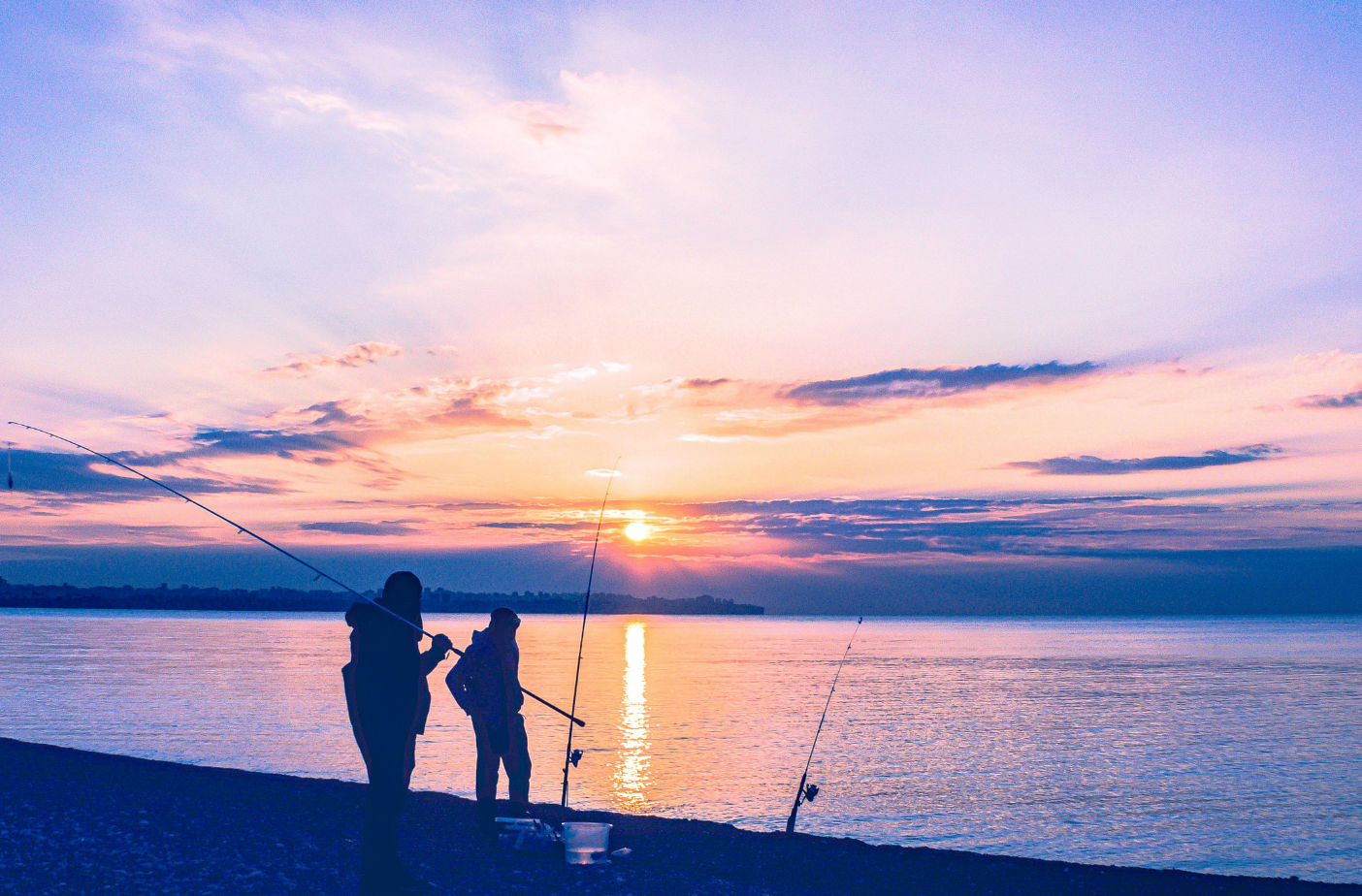
Part 1 of a Two-Part Series on Time-Outs in Relationships A successful time-out isn’t about avoiding a fight; it’s a […]
Read complete blog >>
Have you ever noticed how two people can live through the exact same event, yet come out of it completely […]
Read complete blog >>