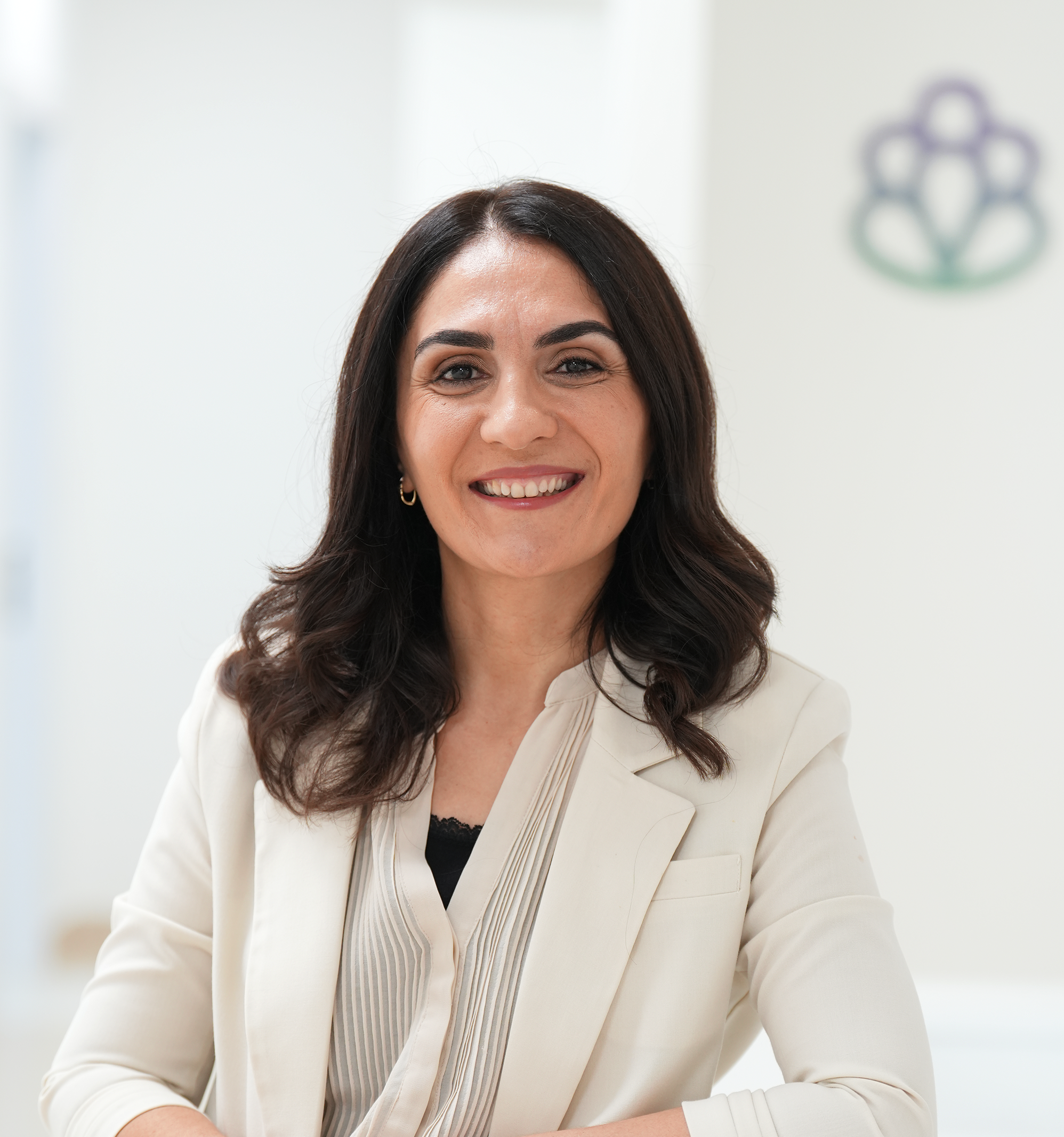
ABOUT ME/BIO
As a U.S. trained psychologist based in Dubai, I bring over 15 years of experience supporting individuals struggling with a wide range of psychological concerns, including depression, anxiety, low self-esteem, stress, trauma, and relationship difficulties. I provide evidence-based therapy for adults seeking effective mental health support in Dubai. I have supported clients of all ages and cultural backgrounds, including many expats living in the UAE. I hold a masters from Ball State University and a doctorate from the University of Missouri (U.S.), and completed my clinical psychology training at the University of Rochester Medical Center in New York. In addition to my clinical work, I have served as an Associate professor of psychology and published research in internationally recognized peer-reviewed journals. At Belle Vie, my goal is to empower clients to build emotional resilience, develop self-awareness, and improve the quality of their relationships. I specialize in integrative therapy approaches, drawing from CBT, DBT, EMDR, and mindfulness all tailored to each client’s specific needs. Whether you’re navigating a life transition, facing emotional challenges, or seeking greater meaning and balance, I am here to support your journey with wisdom and compassion.
HOW I CAN HELP YOU
Maybe you’ve been feeling anxious, low or on edge for longer than you’d like. Maybe something painful has happened, a relationship has ended, or work has slowly worn you down. Or maybe you’re in the middle of a big change, like a move, a new baby or a new stage of life, and you’re not quite sure who you are in it yet. Whatever brings you here, you don’t need to have it all figured out before we start.
I work with adults on anxiety and panic, low mood, stress and burnout, low self-esteem, grief, trauma, and relationship difficulties. I also have a particular interest in women’s mental health, including pregnancy and the postpartum period, perimenopause and menopause, and intimacy concerns. Having rebuilt my own life in a new country, I understand how isolating expat life can feel at times.
How I work
I don’t believe in a one-size-fits-all approach. Together, we’ll look at what’s going on for you and choose the tools that fit. These may include:
Cognitive Behavioural Therapy (CBT): noticing the thoughts and habits that keep you stuck, and practising new ways of responding.
Emotion regulation techniques: practical skills for handling strong emotions and getting through difficult moments more steadily.
EMDR: a structured approach that helps you process distressing memories so they feel less overwhelming in the present.
Mindfulness-based approaches: learning to pay attention to the present moment with less judgement, which can ease stress, worry and rumination.
Schema Therapy: understanding deeper patterns, often rooted in earlier life, that keep repeating in your relationships and how you see yourself.
The Gottman approach: research-informed tools for improving communication and connection with your partner.
In our sessions, you can expect a warm, collaborative space where you set the pace. My aim is to help you understand yourself better, build resilience and feel more connected to the people who matter to you, so that you leave with skills you can keep using long after therapy ends.
WHY I AM SPECIALIZED IN THIS FIELD
Many people who come to see me have spent a long time being told how they should feel. Just relax. Don’t overthink it. Others have it worse. Over time, you can start to believe that your feelings are the problem, and that if you were stronger or more grateful, you wouldn’t be struggling.
What drew me to psychology, and what keeps me in it after more than 15 years, is a simple belief: your reactions make sense. Even the ones that feel confusing or out of proportion usually have a reason behind them, whether it’s something from your past, a pressure in your present, or a body and mind that have been running on survival mode for too long. When you feel truly understood, something shifts. Shame softens, and change becomes possible.
Validation isn’t the same as agreeing with everything or telling you what you want to hear. It means taking your experience seriously, so that together we can work out what to do next. Accepting where you are and working towards where you want to be go hand in hand.
My own life has shaped this too. Rebuilding my life in a new country taught me how disorienting it can be when the people around you don’t fully see what you’re carrying. My research with refugees and trauma survivors deepened my understanding of how much healing depends on being heard.
My training
I hold a PhD in Counseling Psychology from the University of Missouri and completed a postdoctoral fellowship at the University of Rochester Medical School. I’m trained in CBT, EMDR, Schema Therapy, the Gottman couples approach, and mindfulness-based approaches including MBSR, MBCT and Unified Mindfulness. I’m licensed by the Dubai Health Authority and registered with the HCPC in the UK, and I previously served as an Associate Professor of Psychology, publishing research on trauma and mental health.
WHAT I SAY TO PEOPLE WHO FEEL NERVOUS OR HAVE CONCERNS ABOUT THERAPY/ASSESSMENT
If you’re feeling nervous about starting therapy, that’s completely normal. Many people tell me they sat in the car for a few minutes before coming in, or almost cancelled the morning of their first session. You might feel anxious about what to say, embarrassed about needing help, or worried that your problems aren’t “serious enough.” All of these feelings make sense, and you’re welcome to bring them into the room with you.
Here’s how I think about it: going to therapy isn’t a sign that something is wrong with you. It’s a sign that you’re taking yourself seriously. We see a doctor when our body needs care, and our minds deserve the same attention. You don’t have to be in crisis to benefit. Sometimes the most useful time to come is before things get harder.
You also don’t need to know where to start. You don’t have to tell me everything in the first session, and you can go at whatever pace feels right. If something feels uncomfortable to talk about, we can take it slowly or come back to it later. You stay in charge of what you share.
Whatever you bring, I won’t judge it. Over the years, I’ve learned that people’s struggles almost always make sense once we understand the full story. My job is to help you understand yours, with curiosity and care, so that you can start to feel more like yourself again.
Taking the first step is often the hardest part. If you’re reading this, you may already be closer than you think.