The Joy of Feeling Comfortably Scared
When I was a child, I didn’t like expressing my feelings through drawings. I preferred writing them down, often immensely […]
Read complete blog >>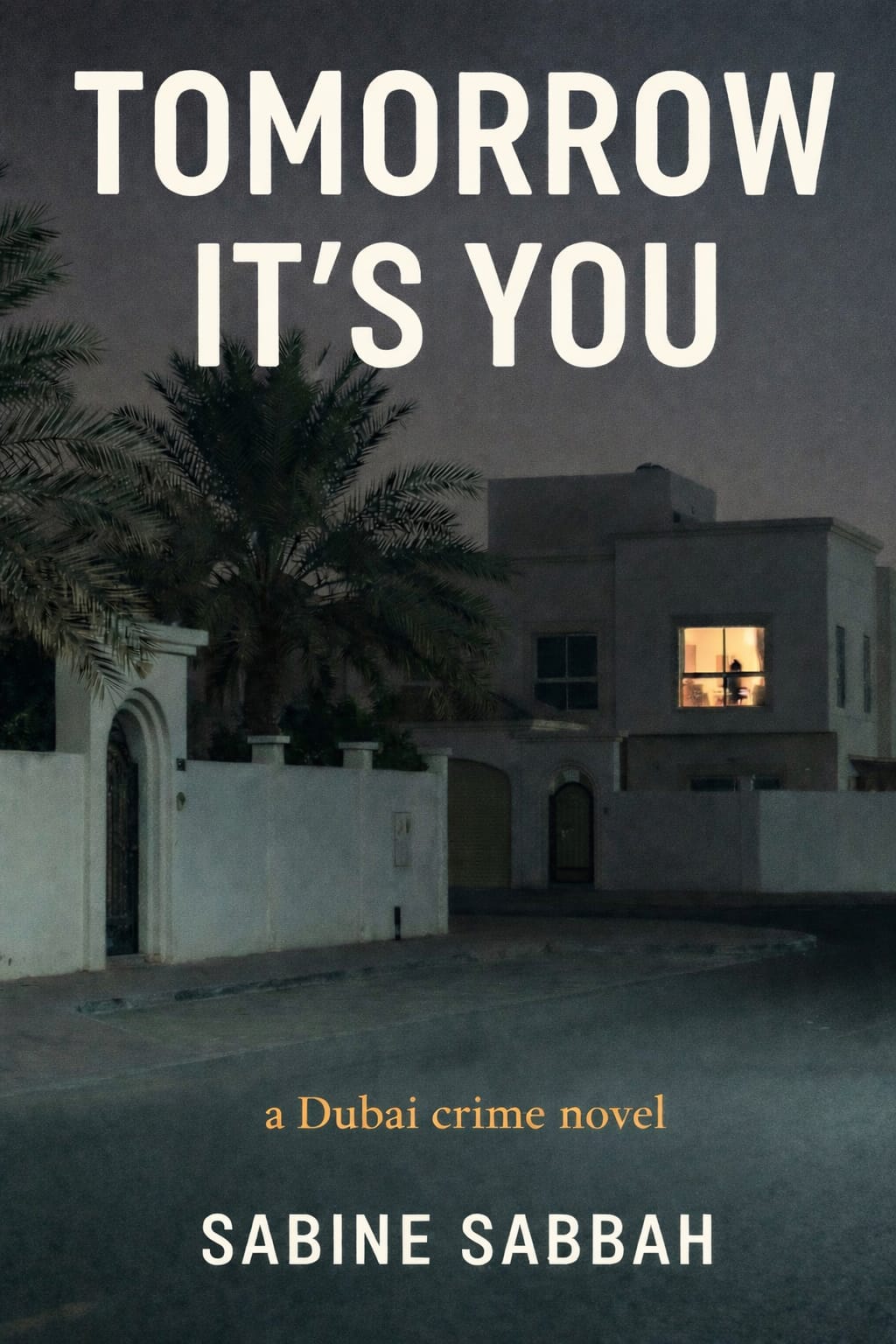
When I was a child, I didn’t like expressing my feelings through drawings. I preferred writing them down, often immensely exaggerating what had actually happened. This approach didn’t really help with my school essays. Teachers weren’t too fond of my writing style: too much fantasy, too much drama, not following the assignment.
While I didn’t try to write in a certain style, I still remember getting carried away imagining what people might do next and how it made them feel, especially when things got tricky. In a nutshell, this is still what fascinates me today: how people react, what they are hiding, and how one person can experience the same situation very differently from somebody else.
This is also why I love reading and writing thrillers. Human behavior is rarely one-dimensional. The very same person can be caring and selfish, loyal and dishonest, and even brave and cowardly. For a writer, this fact creates almost endless possibilities. For a reader, complex characters can make it almost impossible to put the book down.
On the flip side, nothing is more boring than a protagonist who is 100 percent good or a villain who is 100 percent evil. If the bad guy carries a childhood trauma or has a soft side that the reader can relate to, things get interesting. Suddenly, the serial killer seems oddly appealing because he just rescued a kitten. Likewise, the hero immediately feels less cartoony and more human if they get yet another speeding ticket, yell at their partner, or drink too much. Just like us.
To make a story feel captivating and create tension, I believe the emotions behind the characters’ actions need to feel real. Fear, jealousy, grief, shame — these feelings are not just decorative words. They are the reason characters lie to their loved ones, betray allies, and even hurt or kill.
These are the kinds of emotional conflicts I wanted to explore in Tomorrow It’s You, my psychological crime thriller. The story moves between past and present, revealing events through several perspectives. What begins with the suspicious death of a woman in Dubai gradually reveals a string of events dating back decades. At its core, the novel follows one question: how far will people go to protect themselves from the consequences of their own actions?
I firmly believe that getting absorbed in a book character’s inner conflicts, feeling the fear or burning rage they are experiencing, has something weirdly soothing about it. Reading a thriller gives us a break from our own worries without asking us to switch off our brains. For a few hours, our attention moves somewhere else. We are no longer thinking about the email we forgot to answer or the meeting with the nasty client booked for tomorrow. All we can think about is: “Why is he lying?”, “Oh no, don’t open the door,” and “I hope she makes it home safely.”
We love tension and fear, but only because we know we are not actually in danger. A 2020 study by Andersen et al. looked at visitors to a haunted house and found that people enjoyed the experience most when the fear was noticeable but not overwhelming. Too little was boring. Too much was unpleasant. This concept of “recreational fear” also applies to reading a thriller. As scared as we might get, we know that we are safe on our cozy sofa, and if it really becomes too much, we can simply close the book and do something else.
This controlled exposure to fear is exactly what draws me to the genre. It is entertaining while still allowing us to ask sharp questions about human behavior. It can be frightening — but only as much as we allow it to be.
Sabine’s thriller Tomorrow It’s You is now available on Amazon.

Articles on www.hoopfull.com may feature advice and are for informational purposes only. It is not intended to be a substitute for medical advice, diagnosis or treatment from a trained professional. In an emergency, please seek help from your local medical or law enforcement services.
Keep up to date with the Hoopfull community.
When I was a child, I didn’t like expressing my feelings through drawings. I preferred writing them down, often immensely […]
Read complete blog >>
Part 2 of a Two-Part Series on Time-Outs in Relationships In my previous post, we explored how John Gottman describes […]
Read complete blog >>
Part 1 of a Two-Part Series on Time-Outs in Relationships A successful time-out isn’t about avoiding a fight; it’s a […]
Read complete blog >>